
Winter in Florida brings cooler air, less rain and slower grass growth. During this time, many homeowners notice lawn brown spots and start to worry that something is wrong. The good news is that some color change is normal. Still, certain brown patches can signal a real problem that needs attention.
Why Lawn Brown Spots Appear During Dormant Season
Florida lawns do not experience harsh winters, but grass still slows down when temperatures dip. Growth becomes less active, and the lawn can lose some of its bright green color. This seasonal shift often shows up as lighter areas or mild browning.
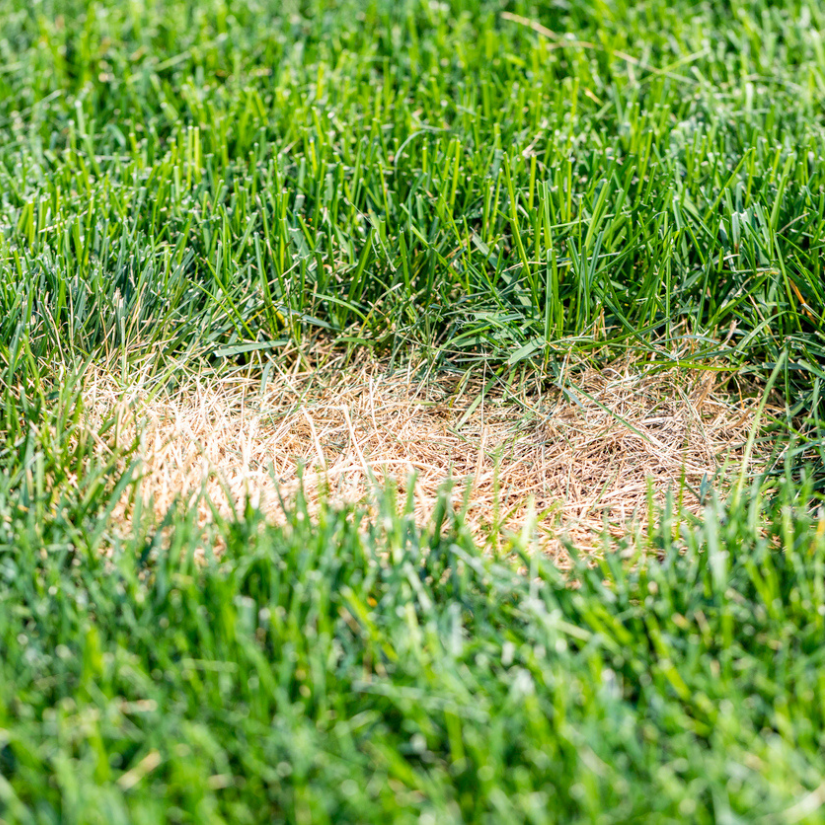
Dormant season brown spots usually look even and spread gently across the lawn. The grass might feel dry, but the roots often remain healthy beneath the surface. With consistent care, the lawn typically bounces back once spring warmth returns.
When Lawn Brown Spots Signal Real Damage
Not all brown patches come from dormancy. Some lawn brown spots point to deeper issues that can worsen if ignored. If a spot grows quickly, looks irregular or feels thin and weak, it could involve pests, disease or irrigation problems.
Grubs and other lawn insects stay active below the surface in Florida’s mild winter soil. They can feed on roots and cause dead areas that do not recover on their own. Fungal disease can also appear when lawns stay damp too long or when grass becomes stressed.
Another common cause is uneven watering. A broken sprinkler head or poor coverage can leave certain areas dry while others get too much water.
How to Tell the Difference Between Dormancy and Trouble
Seasonal dormancy usually creates mild browning that looks consistent across larger sections of the yard. The lawn still has some thickness, and the grass does not pull up easily.
Real damage often shows sharper edges, thinning turf or patches that spread fast. If the grass lifts like a loose carpet, pests could be feeding below. If you see rings, streaks or slimy areas, disease might be involved.
A professional inspection helps confirm what is happening before the problem grows.
Ongoing Lawn Care Prevents Long-Term Damage
Consistent winter lawn care keeps your turf protected even when growth slows. Treatments support root health, reduce pest pressure and strengthen the lawn so it can recover faster in spring.
Skipping care during winter often leads to bigger issues later. Small problems can build quietly beneath the surface and show up as major damage once the growing season begins.
Keep Your Lawn Healthy Through Every Season
Florida lawns need year-round attention, even during the dormant months. If you notice lawn brown spots and want to know what is normal versus what needs treatment, Your Oasis Outdoor Care can help. Our team keeps your lawn strong, protected and ready for a healthy spring comeback.
FAQs
1. Are lawn brown spots normal during winter in Florida?
Yes, some browning is normal as grass slows down in cooler weather. Mild color change often comes from dormancy, not permanent damage.
2. How can I tell if brown spots come from pests?
Pest damage often creates thinning patches that spread quickly. Grass might lift easily if insects are feeding on roots below the surface.
3. Will brown spots go away on their own in spring?
Dormancy-related browning often improves with warmer weather, but true damage from pests, disease or irrigation issues usually needs professional care.