

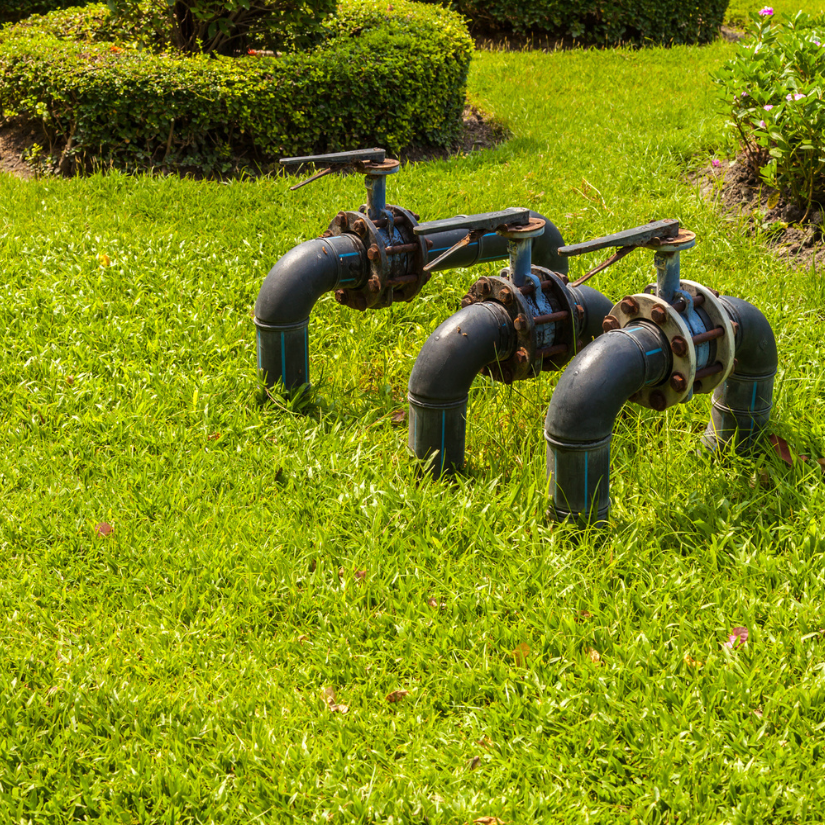
Your irrigation system does more than water your grass. It connects directly to your home’s water supply. That’s where backflow preventers come in. These devices stop dirty water from flowing back into your clean drinking water, but they also help keep your lawn healthy. When a backflow preventer fails, it doesn’t just risk contamination. It can throw your entire irrigation system out of balance. Let’s talk about how one affects the other and why staying on top of it matters.
How Backflow Preventers Protect Your Water and Your Lawn
Backflow preventers are designed to keep irrigation water, which often contains dirt, fertilizer and lawn chemicals, from re-entering your clean water supply. But when they stop working the way they should, the problem goes both ways. Not only does your drinking water face contamination risks, but your lawn does too.
A faulty backflow device can lead to poor water pressure, restricted flow or water backing up into zones it shouldn’t. That means your lawn might get too much water in one area and not enough in another. It also raises the risk of damaged sprinkler heads or pressure surges that stress your system. Over time, all of that impacts the health and appearance of your lawn, leaving you with dry patches, soggy spots or yellowing grass.
Plus, when the water inside the irrigation lines isn’t flowing cleanly or evenly, it can clog filters, damage valves and wear down other parts of the system faster. The result is a less efficient system and a lawn that struggles to stay green.
Why Lawn Health Depends on a Working Backflow Preventer
When your backflow preventer works properly, your water stays safe and your lawn gets the consistent, clean watering it needs. But when it doesn’t, everything connected to your irrigation system can suffer. That’s why keeping your backflow preventers tested, repaired or replaced on time is so important. At Your Oasis Outdoor Care, we handle it all from expert backflow testing to full irrigation inspections.
Ready to protect your lawn and your home’s water? Give us a call to schedule your service today.
FAQs
1. Can a broken backflow preventer affect my lawn?
Yes, a broken backflow preventer can definitely affect your lawn. When the device isn’t working correctly, it can disrupt the water pressure in your irrigation system, causing certain zones to receive too much water while others don’t get enough. This leads to soggy patches, dry spots and overall uneven watering. Inconsistent watering stresses your grass and makes it more vulnerable to disease, pests and discoloration. Fixing or replacing a faulty backflow preventer helps restore proper flow and keeps your lawn evenly hydrated and healthy.
2. How does backflow impact lawn irrigation systems?
Backflow can cause serious problems for your irrigation system by allowing dirty water, chemicals or debris to flow backward into the lines that water your lawn. This kind of contamination can clog sprinkler heads, damage valves and reduce the overall performance of your system. When water isn’t clean or flowing in the right direction, your irrigation system can struggle to operate efficiently, which affects how well your lawn gets watered and how healthy it stays.
3. Do I still need a backflow preventer if my lawn looks fine?
Even if your lawn looks great, you still need a backflow preventer to protect both your irrigation system and your drinking water. Just because problems aren’t visible yet doesn’t mean everything is working perfectly. Backflow preventers stop contaminated water from flowing into your home’s clean water supply, which protects your health and keeps your irrigation system clean. Skipping backflow protection puts both your lawn and your home at risk, even if the grass seems fine for now.